
The Ultimate Guide to Las Vegas Office Conversions
The Shift in Las Vegas Commercial Real Estate Leasing
The way we work has changed, and so has the city. Las Vegas commercial real estate leasing is going through a significant shift. Recent data puts office vacancy at 11.9% for Q2 2026. While corporate spaces continue to perform well in the Southwest submarket, Downtown is adapting. Developers are converting older properties into modern residential spaces, creating new options for people who want to live closer to the centre of the city.
How Las Vegas Office Conversions Work
Converting a high-rise office building into residential space involves much more than knocking down walls. Developers need to navigate a change of occupancy from commercial to residential use under the 2024 International Building Code.
Buildings may require significant fire and life-safety upgrades, including quick-response sprinklers and improved sound insulation. Residential walls must achieve a Sound Transmission Class (STC) rating of at least 50, helping to reduce noise between units.
The Downtown Centennial Plan Overlay District also makes these projects more practical by removing certain parking and height restrictions. This gives developers greater flexibility to create residential spaces in central locations, close to shops, restaurants, culture and nightlife.
Designing Studios for Real Life
Downtown Las Vegas co-living makes efficient use of space. Pod-style units need to meet specific building requirements, but thoughtful design can make smaller apartments feel comfortable and practical.
Features such as keyless entry, quartz countertops and stainless steel appliances provide convenience without unnecessary extras. Wood-style plank flooring adds warmth, while an in-unit washer and dryer makes everyday life easier.
The result is a well-equipped home that makes good use of every square foot without the cost of a much larger apartment.
Shared Spaces for Work and Wellbeing
One of the advantages of modern studio living is having access to shared spaces that extend beyond your private apartment.
A shared culinary space requires developers to meet Southern Nevada Health District requirements for commercial-grade kitchens, including suitable ventilation and three-compartment sinks. For residents, it provides somewhere to cook, entertain and spend time with friends without needing a larger apartment.
Other shared amenities are designed around everyday routines.
HQ provides space to work from home.
The Courtyard offers somewhere to relax, meet neighbours and spend time outdoors.
The Gym gives residents a convenient place to exercise.
Why Downtown Las Vegas Co-Living Works
Remote professionals are increasingly able to choose where they live, and Downtown Las Vegas offers several practical advantages. Nevada has no state income tax, while Downtown provides access to restaurants, independent businesses, galleries and entertainment within a relatively compact area.
Projects such as
shareDOWNTOWN in the Arts District,
Fremont East, and the new
shareWESTSIDE in the Historic Westside demonstrate how the model is developing across Downtown Las Vegas.
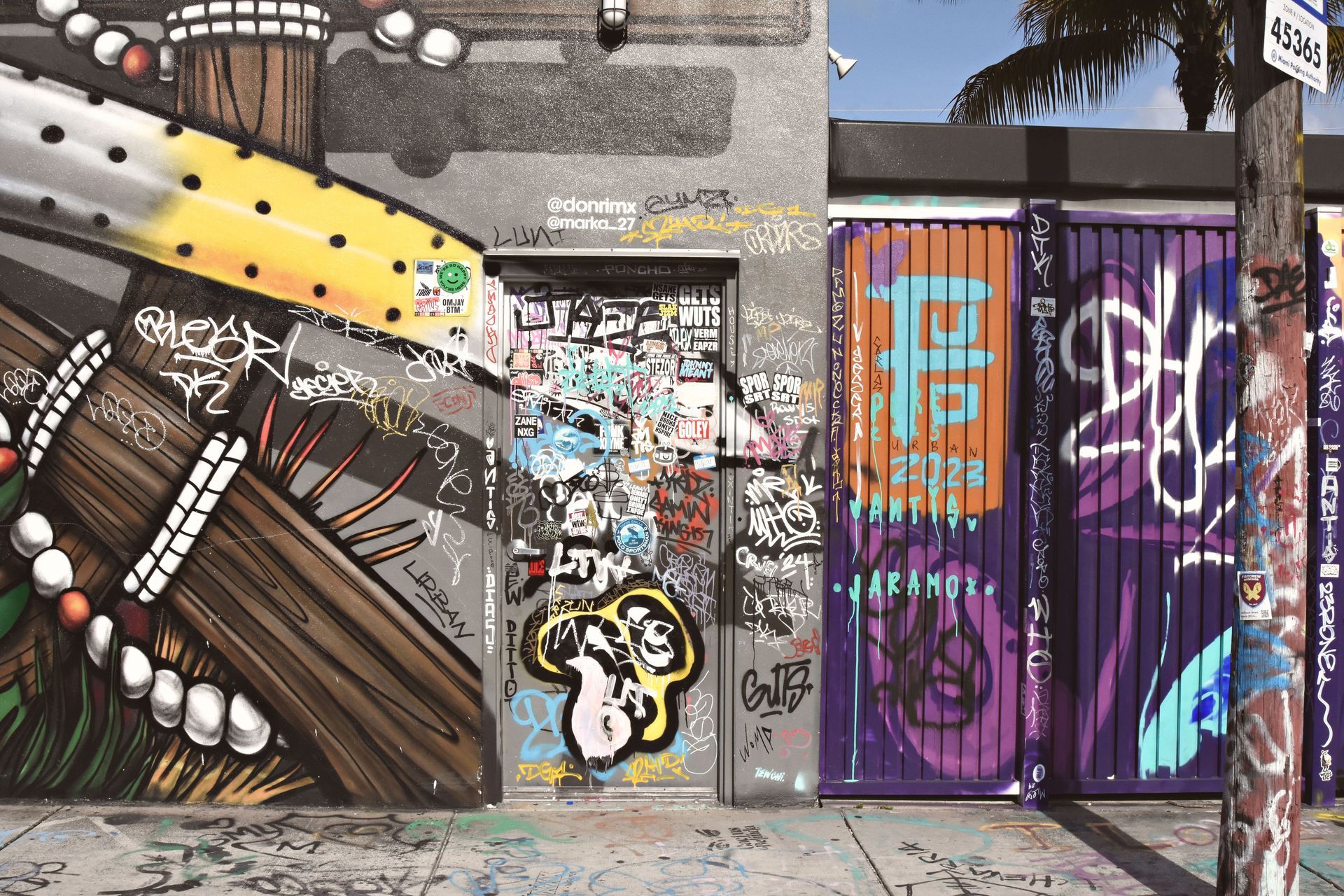
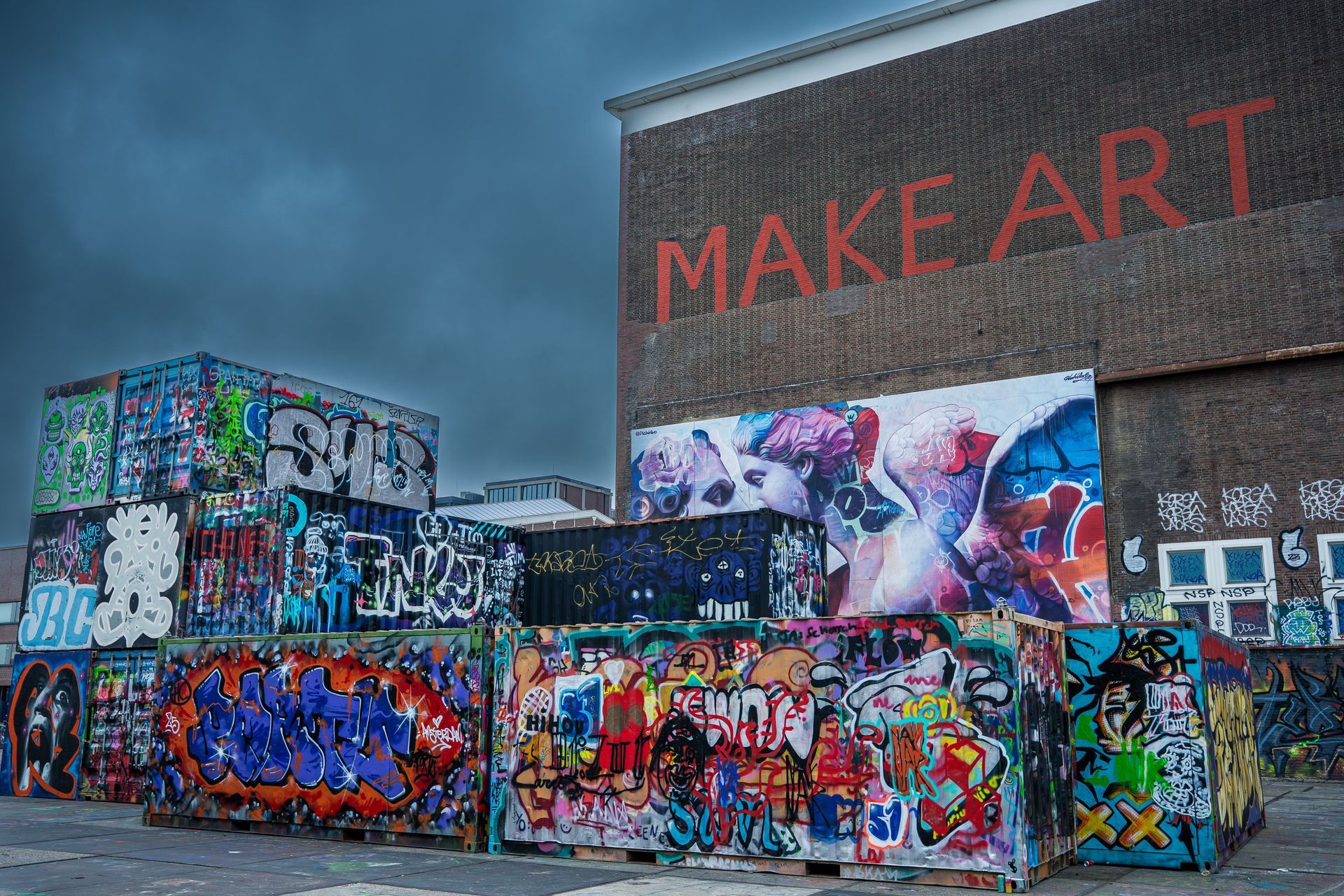
The Arts District, in particular, offers a mix of galleries, coffee shops, restaurants, murals and local businesses. Residents can work from HQ, cook or entertain in The Kitchen, spend time in the Courtyard and exercise in The Gym, all without having to leave the building.
Find Your Place Downtown
Las Vegas office conversions are creating new ways to live in the heart of the city. By combining private studios with useful shared spaces, these developments offer a practical alternative to traditional apartment living.
Whether you're looking at the Arts District, Fremont East or the Historic Westside, Downtown Las Vegas puts more of the city within easy reach.
View availability and book a tour today.